Questions & Answers
Thailand Property Ownership Questions & Answers Page 3
The Thailand Property Ownership Property Conversation
Explore practical Khao Lak property answers for buyers, renters, investors and relocating families. These pages bring together broad information about homes, villas, condominiums, rentals, locations, ownership, due diligence, maintenance and daily life across Khao Lak, Takua Pa and nearby Phang Nga coastal areas. Sponsor-specific topics are clearly labelled. Use this section to compare common property options, understand key details, explore popular topics, and prepare better questions before speaking with agents, lawyers, sellers or property managers.
A usufruct is a registered right that can allow a person to possess, use and enjoy another person’s immovable property, subject to the registered terms. It is not land ownership and may have limits regarding duration, transfer and inheritance. It can be useful for occupation planning in some family or ownership structures, but it must be drafted and registered correctly and assessed alongside mortgages, leases and succession plans. This is general educatio…
Thailand Property Ownership · 2025-09-27 What Is a Right of Superficies?A superficies can allow a person to own buildings, structures or plantations on land owned by someone else. It is particularly relevant when separating house ownership from land ownership. The right should be documented and registered, and the building’s ownership evidence must be consistent. Duration, transfer, inheritance, construction rights and what happens at expiry require careful legal drafting. This is general educational information, not legal, ta…
Thailand Property Ownership · 2025-09-24 What Is a 30-Year Lease in Thailand?The Civil and Commercial Code generally limits a lease of immovable property to 30 years for each registered term. A lease longer than three years should be in writing and registered to be enforceable beyond three years. Renewal language may express an intention to renew, but it should not be treated as the same as a currently registered 60- or 90-year property right. Review assignability, inheritance, early termination, sale of the land and renewal mechan…
 37 Q&A
Smart Living & Utilities
 23 Q&A
Remote Ownership
 37 Q&A
Retirement, Relocation & Daily Life
 54 Q&A
Property Types & Buyer Planning
 27 Q&A
Wellness & Lifestyle Property
A genuine operating Thai company may own property for legitimate business purposes, but using nominee shareholders or a company created only to hold land for a foreigner can create serious legal risk. Do not accept a package structure without independent advice. Review beneficial ownership, voting, capital, business activity, accounts, tax, shareholder funding and what happens if relationships change. This is general educational information, not legal, tax…
Thailand Property Ownership · 2025-09-18 Is a 30+30+30 Lease Guaranteed?No. The first registered term and future renewal promises are legally different. A contract may contain renewal obligations, but a future renewal is not the same as a present registered right for 90 years. Enforcement can be affected by ownership changes, drafting and Thai law. Ask a buyer-side Thai lawyer to explain exactly what is registered on the title now, what is merely contractual and what happens if the lessor dies or sells. This is general educati…
Thailand Property Ownership · 2025-09-15 Does Buying Property Give Me a Thai Visa?Buying a house, villa or land interest does not automatically grant a visa, permanent residence or work permission. Immigration status must be handled separately under the visa rules that apply to the individual. Buyers should plan property ownership, long-stay permission, healthcare and tax residence together but should not assume one automatically creates the others. This is general educational information, not legal, tax or financial advice. Property st…
 4 Q&A
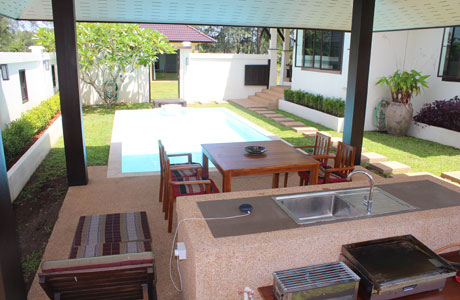
Thailife Residences — Sponsored
 3 Q&A
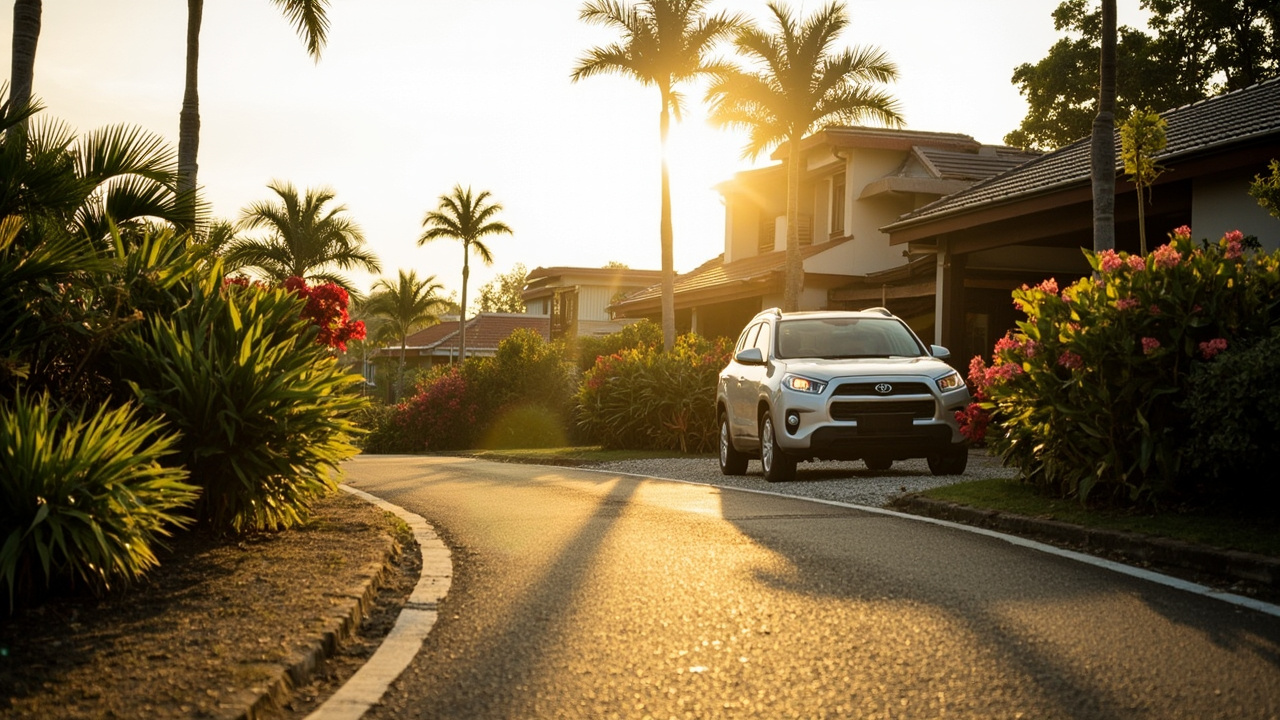
Thailife Beach House — Sponsored
 44 Q&A
Khao Lak Areas & Neighbourhoods
 43 Q&A
Due Diligence & Contracts
 37 Q&A
Costs, Taxes & Ongoing Budget
A Thai spouse may own land in their own name, but the foreign spouse may be required to acknowledge that purchase funds are the Thai spouse’s separate property. This can affect matrimonial and succession rights. Do not treat marriage as a substitute for legal planning. Discuss wills, registered rights, divorce risk, inheritance and occupation rights with independent lawyers acting for the appropriate parties. This is general educational information, not le…
Thailand Property Ownership · 2025-09-09 Can a Foreigner Own Land in Thailand?Foreigners are generally restricted from owning land directly in Thailand, subject to narrow statutory exceptions that should never be assumed to apply. Common alternatives include owning a qualifying condominium unit, registering a land lease, and using registered rights such as usufruct or superficies where appropriate. The correct structure depends on the buyer, property, title and intended use. Avoid nominee-shareholder arrangements or casual promises …
Thailand Property Ownership · 2025-09-07 Can a Foreigner Own a House in Thailand?A foreigner may be able to own a building separately from the land, but the land right and proof of building ownership must be structured and documented correctly. A land lease plus a registered right of superficies is one structure lawyers may consider. Building permits, sale documents, construction evidence and Land Office registration matter. Do not assume that paying for a house automatically proves ownership of the structure. This is general education…